
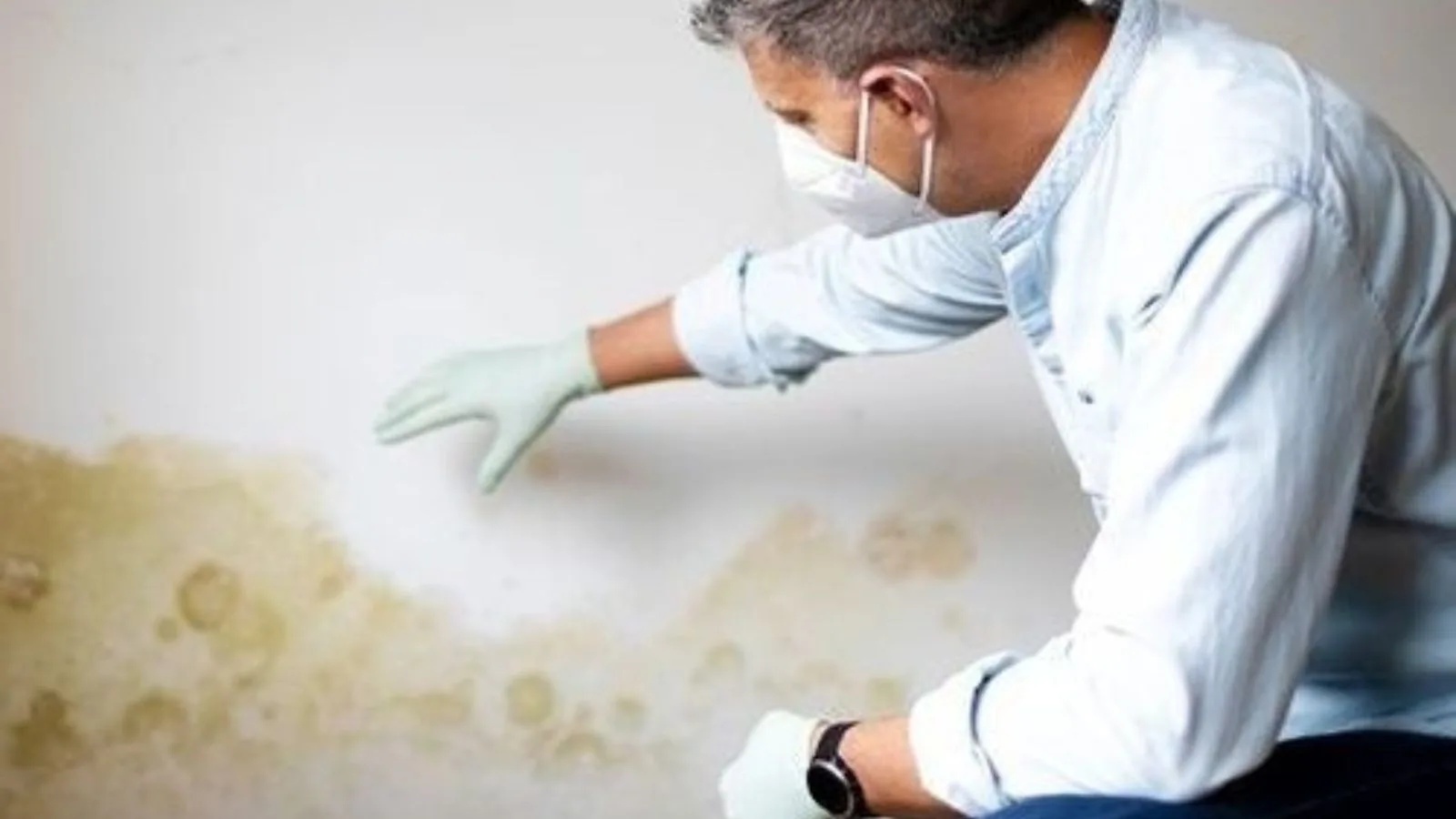
A wall is a sandwich of drywall, insulation and framing, and water can enter it from above, below or inside. The surface can look fine while the cavity holds water. Bubbling paint, a soft spot, a stain or a musty smell are the usual signs. Finding the extent of the wet area is the first job.
Dry it or cut it out
| Situation | Usual approach | Why |
|---|---|---|
| Clean water, caught quickly | Dry in place with cavity drying | Drywall can recover if it did not soften |
| Soft, crumbling or bulging drywall | Cut out and replace | Gypsum loses strength when wet |
| Contaminated water | Cut out above the waterline | Porous material cannot be sanitized |
| Insulated exterior wall | Open the cavity, remove wet insulation | Insulation holds water against framing |
A common approach for floor-level water is a flood cut, where drywall is removed a short height above the water line so the cavity can dry. It is faster and more reliable than waiting and hoping, and it keeps the repair small.
Damp or stained wall after a leak? Call (833) 521-1033 to scope the drying and repair.
✆ Call (833) 521-1033How walls are dried
A moisture meter and thermal camera show how far water traveled. Small openings let air movers push dry air into the cavity, and dehumidifiers pull moisture from the room. If drywall is cut out, insulation comes out too, and the framing is dried before it is closed. See structural drying for the full process.
The cause of the water matters for the repair. A wall wet from a pipe is a burst pipe problem, one wet from above is a ceiling problem, and one wet at the base after a storm is covered under storm water damage.
Plaster walls and older homes
Older Burlingame homes can have plaster over lath, which behaves differently from drywall. Plaster can hold water longer and may crack or separate as it dries. It can often be dried, but it needs careful monitoring, and patching has to match the existing finish.
Paint, texture and finish
Once the wall is dry, the repair is drywall, tape, texture, primer and paint. Painting before the wall is dry traps moisture and the stain returns. Blending paint across a whole wall is usually better than spot painting. Ask how the finish will be matched.
Mold and walls
A wall that stays damp can grow mold in the cavity. This page makes no health claims. See the mold remediation page for testing and removal, and the post on water damage and mold for how the two relate.
Local notes for Burlingame
The city's Building Division at 650-558-7260 can say whether wall repair or reconstruction after water damage needs a permit, and it is worth asking before the rebuild is scoped. Older homes may have materials that need care, and testing and handling of those materials is outside this page.
What to do before the crew arrives
Move furniture away from the wet wall, lift curtains off the floor and take everything off shelves and hooks on it. Photograph the stain, the base of the wall and any bubbling paint. Do not cut into the wall yourself, because electrical wiring and pipes often run inside it. Press gently on the stain with a dry paper towel. If it comes away damp, tell the crew, since that confirms the source is still active.
What sets the price of wall and drywall repair
Wall repair depends on how much drywall comes out and how it is finished.
| Factor | Why it matters |
|---|---|
| Area of wall affected | A patch versus a full wall. |
| Insulation | Wet insulation is replaced. |
| Drying time | The cavity must read dry before it is closed. |
| Finish matching | Texture and paint blending. |
| Wall type | Drywall versus plaster. |
Want your real number? Call (833) 521-1033 and the scope and price are explained before work starts.
Sudden leaks that wet walls are often covered by homeowners insurance, and slow seepage often is not. Check your policy or ask your insurer. Calls come from ZIP codes 94010 and 94011, San Mateo and El Granada.
Frequently asked questions
Can wet drywall be saved?
Sometimes, if the water was clean and drying started quickly. Drywall that is soft or bulging is usually replaced.
What is a flood cut?
Removing drywall a short height above the water line so the wall cavity can dry. It is a common approach for floor-level water.
Can I just paint over the stain?
Not until the wall is dry and the source is fixed. Paint over a damp wall traps moisture.
Is plaster different from drywall?
Yes. Plaster can hold water longer and may crack as it dries, so it needs careful monitoring.
Do I need a permit for wall repair?
It depends on the work. The city's Building Division at 650-558-7260 can say.
Water still spreading or not sure what you are looking at? The line is open 24/7.
✆ Call (833) 521-1033