
A water damage claim is a paper trail with a wet house at the front of it. The people reading the file later, the adjuster and sometimes a reviewer, were not in your home, so they rely on what you recorded. This guide covers what to capture and in what order. It does not say what any insurer will pay.
The first hour
- Make the space safe. Stop the water at the source and stay out of water that touches electrical equipment.
- Write down the time you found the damage and what you saw. A phone note works.
- Take wide photos of each room, then close photos of the damage and the source.
- Record a short video walking through the rooms and narrating what you see.
- Call your insurer to open a claim and ask what they expect for mitigation.
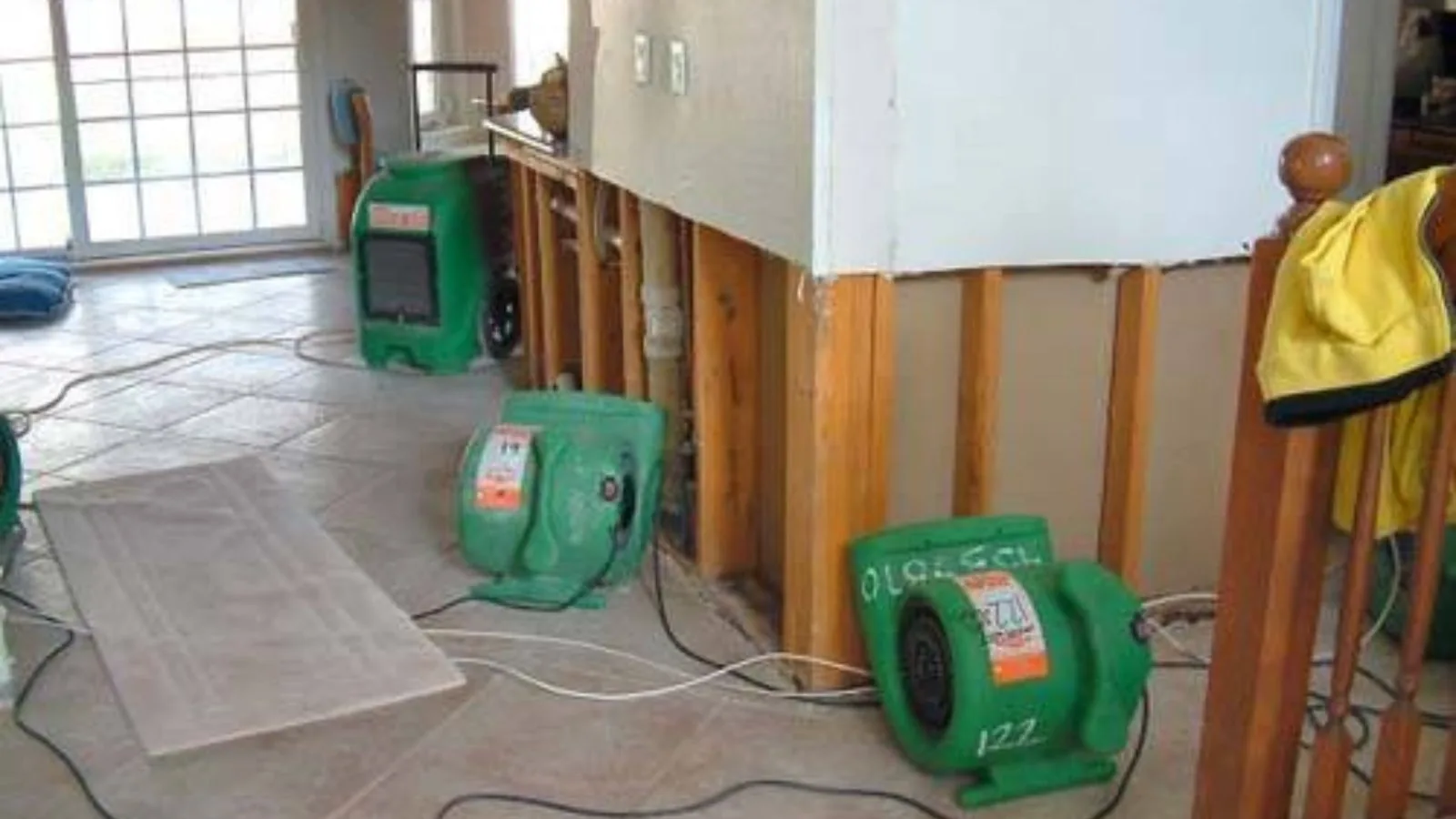
Mitigation, meaning stopping the damage from getting worse, is something policies commonly expect. That is why water extraction and structural drying often start before the adjuster visits. Photographing the damage before it is removed is what keeps the file complete.
What to keep
| Item | Why it helps | Tip |
|---|---|---|
| Photos and video | Show conditions before cleanup | Take them before anything is moved |
| Moisture readings | Show where water is in the structure | Ask for the log, not only a summary |
| Itemized scope and invoices | Support the cost of mitigation and repair | Keep every receipt |
| Damaged items | Let the adjuster verify contents losses | Store safe items until reviewed |
| Failed parts | Show what failed and why | Keep the split pipe or hose |
| A call log | Records who said what and when | Note date, name and summary |
Contents: make the list as you go
Contents claims are won with lists. Walk each room and write down what was damaged: item, approximate age, where it was bought if you know it and what you think it is worth. Take photos of labels and serial numbers on electronics and appliances. Do not throw anything out until you know whether the adjuster wants to see it, except items that are contaminated or unsafe to keep.
A simple timeline to keep
Keep a running log from the first hour. Write the date and time you noticed the water, when you called your insurer, when the crew arrived, when equipment was set and when it came out. Add the names of the people you spoke to. A one-page timeline is easier for an adjuster to follow than a pile of photos, and it protects you if details are questioned weeks later.
Most policies also set deadlines for reporting a loss and for submitting a proof of loss. This guide does not state those deadlines because they differ by policy and by insurer. Ask your insurer for the dates in writing at the first call and put them in your calendar.
Working with the adjuster
An adjuster reviews the cause, the damage and the scope. It helps to have your photos, your moisture log and your restoration scope ready, and to ask for the claim number and the adjuster's contact details at the start. If you disagree with a decision, ask for the reason in writing and the policy language it relies on. For general questions about coverage, see the guide on whether homeowners insurance covers water damage.
Keep the repair scope separate from the mitigation scope
Mitigation is the emergency work: extraction, removal of wet materials and drying. Repair is the rebuild, such as drywall, flooring and paint. They are often scoped and invoiced separately, and keeping them separate makes the file easier to read. Pages such as wall and drywall repair and carpet water damage describe the rebuild side.
Common mistakes
- Throwing away damaged items before photographing them.
- Waiting for the adjuster before starting any drying.
- Mixing mitigation and repair on one vague invoice.
- Accepting a verbal answer with no record of who gave it.
- Signing a document you have not read.
If the claim is large
A large loss can involve temporary housing, a public adjuster or an engineer's report. Ask your insurer what is available and in what order. Keep receipts for meals and lodging if you are displaced, and ask whether those costs are covered before you spend. Large claims run for weeks or months, so the call log and the timeline matter even more, and so does keeping every email.
A Burlingame note
Where the water came from affects which claim you are making, and local records can help. The city of Burlingame handles emergency flooding, blocked storm drains and creek concerns at 650-558-7670 through Public Works. If water entered from the street, a storm drain or a creek, a note of when you reported it to the city is a useful entry in the call log.
After the 2022 New Year's Eve storm, local reporting said Public Works took more than 200 emergency calls, so waiting times for city responses can be long when a storm hits. Document your own damage while you wait, because the city line is not a substitute for a record of what you saw. The pages for flood damage cleanup and San Mateo show how outside water is handled.
Frequently asked questions
Should I wait for the adjuster before drying?
Usually no. Policies commonly expect you to limit further damage, so photograph first and ask your insurer what they need.
What if the adjuster disagrees with the scope?
Ask for the reason and the policy language in writing, and bring your photos and moisture log.
Do I keep the damaged pipe?
Yes. A failed part helps show what happened.
Who decides what is covered?
The insurer. A restoration company documents the loss but does not decide coverage.
Who do I call about a flooded street or blocked storm drain in Burlingame?
The city's Public Works Department at 650-558-7670. After hours the Burlingame Police Department at 650-692-0604 takes reports.
Water still spreading or not sure what you are looking at? The line is open 24/7.
✆ Call (833) 521-1033