
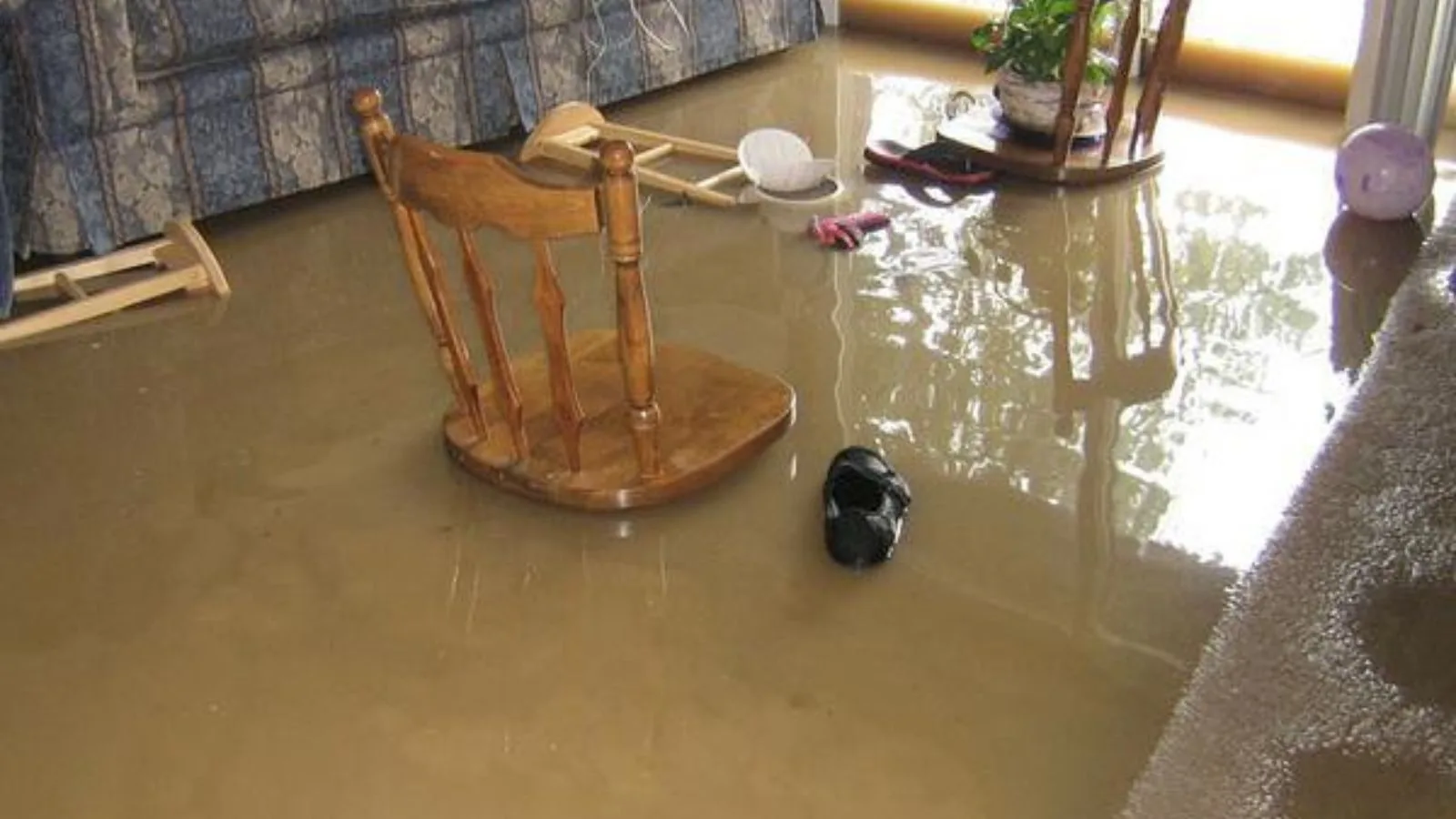
After a water loss, the hardest part of cleanup is deciding what is worth saving. The answer depends on the type of water and the material. Clean water on a hard item is different from sewage on a soft one. This guide gives a framework and examples. When in doubt, photograph the item before you decide, since your insurer may want to see it.
The framework
| Item type | Clean water | Contaminated water |
|---|---|---|
| Hard, nonporous (glass, metal, plastic, sealed tile) | Clean and dry, usually keep | Clean and sanitize, usually keep |
| Wood furniture, solid | Dry carefully, often keep | Often keep if cleaned, depends on finish |
| Upholstery and mattresses | Dry quickly or discard | Discard |
| Carpet and rugs | Often dry or clean | Discard, see carpet water damage |
| Clothing and textiles | Wash, often keep | Wash on hot or discard |
| Paper, books | Dry quickly, some recover | Discard |
| Food and medicine | Discard if touched by water | Discard |
Why porous items are the problem
Water soaks into porous materials, and contaminated water carries what it carried into them. A hard surface can be cleaned and sanitized. A mattress cannot be cleaned inside. That is why recommendations often sort by water type first. If you are not sure what category your water was, a restoration crew can tell you based on the source, and the post on mitigation describes the categories.
Food, medicine and cosmetics
- Discard food that touched floodwater or contaminated water, including cans if the seal is damaged.
- Discard medicine and cosmetics that were wet, unless a pharmacist says otherwise.
- Sealed, undamaged cans can sometimes be cleaned and sanitized, but check labels and dents.
- When food safety is in doubt, throw it out.
Furniture
Solid wood often survives clean water if it is dried slowly, though finishes can lift. Particleboard and veneered pieces swell and rarely return to shape. Upholstered pieces are risky because foam and padding hold water. Photograph first and ask your adjuster before discarding anything expensive. If a piece can be saved, move it to a dry area and keep air moving around it.
Clothes and textiles
Wash clothes that touched clean water as soon as possible. Contaminated water means hot-water washing or discard. Leather and delicate textiles need cleaning by a specialist, and the sooner you start, the better the chance. Do not leave wet laundry in a heap, since moisture and time are what cause problems.
Electronics
Wet electronics should not be turned on. See the guide on water damage and electronics for the steps. Photograph serial numbers and models for your insurance list.
Sorting method
- Photograph each item and the damage before moving it.
- Sort into keep, clean, discard and ask-first piles.
- Move keep items to a dry, ventilated area.
- Discard contaminated porous items after your adjuster has seen them or approved discard.
- Write down what was discarded, its age and value for your contents list.
Books, toys and keepsakes
Books and paper can sometimes be saved if the water was clean and you act quickly, as covered in the guide on saving photos and documents. Hard plastic toys can be washed and sanitized. Stuffed toys and soft goods that touched contaminated water are discarded. Keepsakes with sentimental value are worth a pause before you decide, since photographs and a conservator's opinion cost little compared with the loss.
Set an end date for the decision
Wet items left in a pile become a bigger problem every day. Give yourself a short window, such as one weekend, to sort into the four piles. Anything unresolved at the end goes into a sealed container in a dry place until the adjuster or a specialist can look. Do not leave items in a damp garage or basement, since that undoes the saving.
Safety while sorting
Wear gloves and boots, and a mask if the area is dusty or has odor. Do not carry heavy wet items alone. Wet cardboard boxes fail, so lift from the bottom. If the water was contaminated, handle items as little as possible and let the crew do the removal. See structural drying for what happens to the structure while you sort.
Cleaning products and methods
Wash hard items with warm water and a mild detergent first, since sanitizer does not work well on a dirty surface. Follow the label on any disinfectant and do not mix cleaning products. Let items dry fully in moving air. Anything that still smells musty after it is dry is telling you that moisture is trapped inside, and that is usually the point to let it go.
A Burlingame note
In a coastal region with storm-driven water, the type of water often matters most. Local reporting on the 2022 New Year's Eve storm said sanitary sewer overflows occurred in several places in Burlingame, and the city lists a sandbag station at 600 California Drive. If your water came with a storm, assume it may be contaminated until a professional says otherwise, and sort accordingly. See flood damage cleanup.
Disposal needs vary. Ask your waste hauler or the city about large items and contaminated material before putting them at the curb. Public Works at 650-558-7670 can direct you. See the pages for San Mateo and El Granada to see how calls from nearby places are handled.
Frequently asked questions
Can I keep a mattress that got wet?
Usually not. Foam and padding hold water, and contaminated water means discard. Clean water on a mattress is still a risk.
Is wet food safe?
Discard food that touched floodwater or contaminated water. When in doubt, throw it out.
Should I photograph before discarding?
Yes. Photos and a list support your contents claim.
What about solid wood furniture?
Often it can be dried and saved after clean water. Finishes and veneers are less forgiving.
Who do I ask about disposing of large items in Burlingame?
Your waste hauler or the city's Public Works at 650-558-7670.
Water still spreading or not sure what you are looking at? The line is open 24/7.
✆ Call (833) 521-1033