
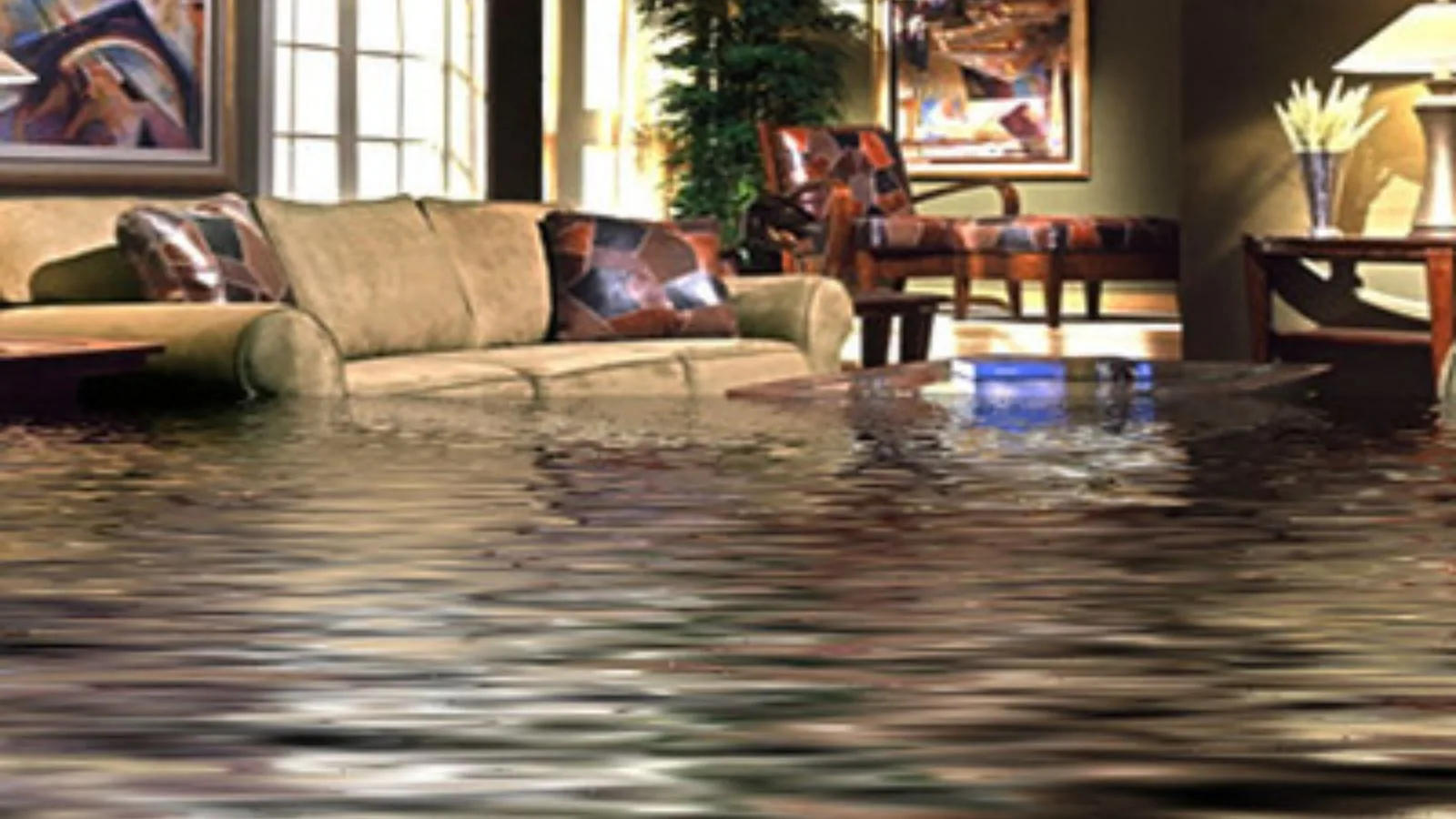
Homeowners policies are written around causes, which is why two homes with identical wet floors can get different answers. The usual pattern is that sudden and accidental water from inside the home is often covered, while gradual leaks, neglect and flooding from outside are often not. Policies differ, so the sections below are a way to read your policy, not a promise about what yours says.
The usual pattern
| Cause | Often treated as | What to check |
|---|---|---|
| Sudden pipe burst or appliance failure | Covered, subject to the deductible | The sudden and accidental wording |
| Slow leak or seepage over weeks | Often excluded | Wording on continuous or repeated seepage |
| Rain through a storm-damaged roof | Often covered | Whether the roof opening came from a covered event |
| Flood or rising ground water | Usually excluded without a flood policy | Whether you carry separate flood coverage |
| Sewer or drain backup | Often needs an endorsement | A water backup endorsement or rider |
The table is a pattern, not a rule. The only authority on your coverage is your policy and your insurer, so check your policy or ask your insurer the same question in writing and keep the answer.
Sudden versus gradual
Most disputes come down to this. A supply line that splits overnight is sudden. A joint that has dripped inside a wall for months is gradual, and gradual damage tends to be excluded or limited. The distinction is why timing matters: photographs, dated records and a moisture map showing where the water is can help show what happened. The post on moisture readings explains what those numbers record, and the service pages on burst pipes and appliance leaks describe the sudden cases.
Flood is a separate question
Standard homeowners policies usually exclude flood, meaning water that comes from outside and rises onto the property. Flood coverage is commonly bought separately, including through the National Flood Insurance Program. If your loss came from a creek, runoff or rising ground water, ask your insurer whether any part of it falls under a policy you hold. See flood damage cleanup for how outside water is handled physically.
Sewer and drain backup
Water that comes up through a drain is often excluded unless your policy has a backup endorsement. The endorsement may carry its own limit, which can be lower than the policy's main limits. Ask whether you have one and what it covers, then read how sewage backup cleanup is scoped so the numbers on an estimate make sense.
Deductible, limits and what the estimate covers
A covered loss still starts with your deductible. A small loss can come in under it, which is a reason to know the number before you call anyone. Policies also set limits for the dwelling, for contents and sometimes for specific items. Mitigation, meaning stopping further damage by extracting and drying, is commonly part of what a policy expects you to do, so keep receipts and ask your adjuster how mitigation costs are handled.
What to do before you file
- Stop the water if you safely can, and write down the time you noticed it.
- Photograph and video the damage before moving anything, including the source of the water.
- Keep damaged items you can safely store until the adjuster has seen them, unless they are contaminated.
- Read the water section of your policy and note the deductible, exclusions and any endorsements.
- Call your insurer to open a claim and ask what they require for mitigation and documentation.
Where restoration fits
A restoration company documents the loss with photographs, moisture readings and an itemized scope, which gives your adjuster something concrete. It does not decide coverage. The insurer does. A company that promises what your insurer will pay is promising something it does not control. For the sequence of the work itself, see water extraction and structural drying.
A Burlingame note
Burlingame's own records show how the cause of water changes the question. The city names seven creeks, and its FEMA page says special flood hazard areas have included the Laguna area, the Easton Creek area and the city's major creeks. A home in one of those areas has a real reason to ask about flood coverage, because creek water is flood water and is usually excluded from a standard policy.
You can check your address on the FEMA Flood Map Service Center. The city's Public Works engineering office keeps Elevation Certificates and Letters of Map Amendment for some parcels and can be reached at dpw@burlingame.org with proof of ownership. That is practical because a lender, an insurer or a flood policy application may ask for exactly those documents.
The same is true across the border. San Mateo notes San Mateo Creek and Laurel Creek among its flood sources, and a home there asks the same question. See the pages for San Mateo and El Granada for how calls from those places are handled.
Frequently asked questions
Is a burst pipe usually covered?
Sudden and accidental pipe failures are often covered, subject to the deductible. Check your policy or ask your insurer.
Does homeowners insurance cover flood?
Usually not. Flood is commonly excluded and covered by a separate policy.
Is a slow leak covered?
Often not, because policies commonly exclude continuous or repeated seepage. The wording matters, so read it or ask your insurer.
Does the restoration company decide coverage?
No. The insurer decides. The restoration company documents the loss.
Is my Burlingame home in a mapped flood zone?
Check the FEMA Flood Map Service Center for your address. The city's Public Works engineering office at dpw@burlingame.org keeps Elevation Certificates and Letters of Map Amendment for some parcels.
Water still spreading or not sure what you are looking at? The line is open 24/7.
✆ Call (833) 521-1033