
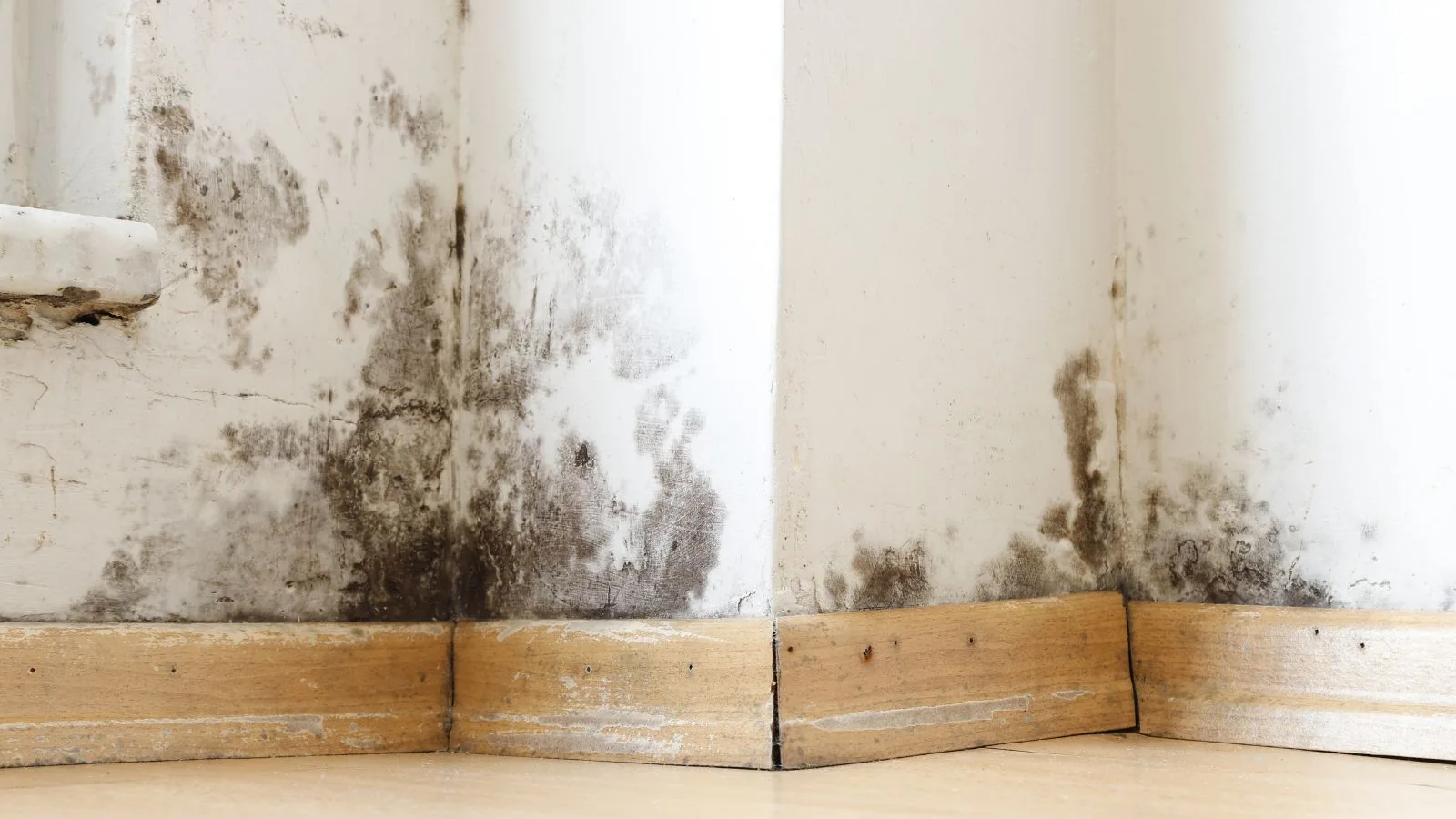
Mold coverage is one of the least predictable parts of a homeowners policy. Some policies cover mold that results from a covered water loss, some limit the amount and some exclude it. The answer depends on the policy language, the cause and sometimes on what you did after the water arrived. This guide describes the common patterns and what to ask. It does not say what your policy covers.
The usual patterns
| Pattern | What it means | Question to ask |
|---|---|---|
| Covered if caused by a covered water loss | Mold from a sudden pipe burst may be included | Is there a sublimit for mold? |
| Sublimit or cap | A fixed amount applies to mold work | What is the amount, and does it include testing? |
| Excluded | Mold is not covered regardless of cause | Is there an endorsement I can add? |
| Excluded when caused by neglect or long-term seepage | Slow leaks and delayed repairs may be denied | How does the policy define continuous seepage? |
Why the cause matters
Insurers often look back at how the mold started. If it followed a sudden covered event and you acted quickly, the claim may look different from one where moisture lingered for weeks. That is part of why drying matters for the claim as well as the building. Logged moisture readings, discussed in the guide on moisture readings, show that moisture was addressed, and the service page on structural drying explains the process.
What costs are in play
- Finding and fixing the moisture source, which is usually a separate claim line.
- Containment, removal and cleaning of affected materials.
- Testing and clearance, which may or may not be included.
- Rebuilding what was removed, such as drywall and flooring.
- Temporary relocation, if the policy provides it.
Questions for your insurer
- Does my policy cover mold, and is there a sublimit?
- Does the sublimit include testing, removal and rebuild, or only some?
- What do you require for mitigation after a water loss?
- Is there a mold exclusion, and is there an endorsement to remove or raise it?
- What documents do you need to evaluate mold: photos, readings, an itemized scope, test results?
Check your policy or ask your insurer, and get the answers in writing. Keep a log of who you spoke to and when.
What helps a mold claim
Dated photos, a record of when the water arrived and what you did next are the start. Add moisture readings showing the structure was dried, the itemized scope for any removal and the invoices. If the insurer asks for testing, ask who they expect to do it and what standard applies before ordering anything. A clear file lets the adjuster follow the story without guessing.
Also read what your policy says about your duties after a loss. Many policies expect you to protect the property from further damage, which usually means starting drying right away. Waiting for a decision before drying is a common way for a small water loss to become a larger mold question.
If a claim is denied, ask for the denial in writing with the policy language it relies on. You can ask the insurer to explain it, ask for a second look with more documentation and talk to the California Department of Insurance about the process. This guide does not give legal advice, and a licensed professional can advise on your situation.
What a restoration company can and cannot do
A restoration company can document conditions, write an itemized scope and do the work. It cannot decide coverage, and it should not promise that your insurer will pay. For how mold work is scoped, containment and clearance included, see the mold remediation page. For the building-side link between water and mold, see the page on wall and drywall repair where wet cavities are handled.
Selling or refinancing
If you plan to sell or refinance, keep every record: invoices, moisture logs, photos and any clearance results. Buyers and lenders may ask for them, and a clear file helps. Ask your agent or lender what they need, and ask a licensed professional about disclosure.
A practical order of operations
Start by stopping the water, then document, then call your insurer before large removal work if you can. Ask whether an adjuster wants to see the affected area first, and whether emergency drying should start now. Photograph moldy materials before they are cut out, keep samples or photos of anything discarded and record the date for each step. That order protects both the building and the file.
A Burlingame note
Local weather shapes how mold claims start. Local reporting on the 2022 New Year's Eve storm described about 22 inches of rain over the storm sequence, and storms like that leave properties damp for days. A home that took in rain through a roof opening has a different claim history from one with a long, slow leak, and your documentation of when the water came in matters.
If water came from a creek or storm drain, the cause is flood and the answer may differ again. Public Works at 650-558-7670 handles emergency flooding and storm drain concerns. See the pages for San Mateo and El Granada to see how calls from nearby places are handled.
Frequently asked questions
Does homeowners insurance cover mold?
It varies. Some policies cover mold that follows a covered water loss, some cap it and some exclude it. Check your policy or ask your insurer.
Is there a mold sublimit?
Many policies have one. Ask what it is and what it includes.
Does insurance cover mold testing?
It depends on the policy. Ask whether testing and clearance count toward a sublimit.
Can a restoration company promise coverage?
No. The insurer decides coverage.
Does a storm in Burlingame change the claim?
The cause matters. Rain through a storm-damaged roof can be treated differently from flood water or a slow leak. Document when and how the water came in.
Water still spreading or not sure what you are looking at? The line is open 24/7.
✆ Call (833) 521-1033